
17 Apr 2026

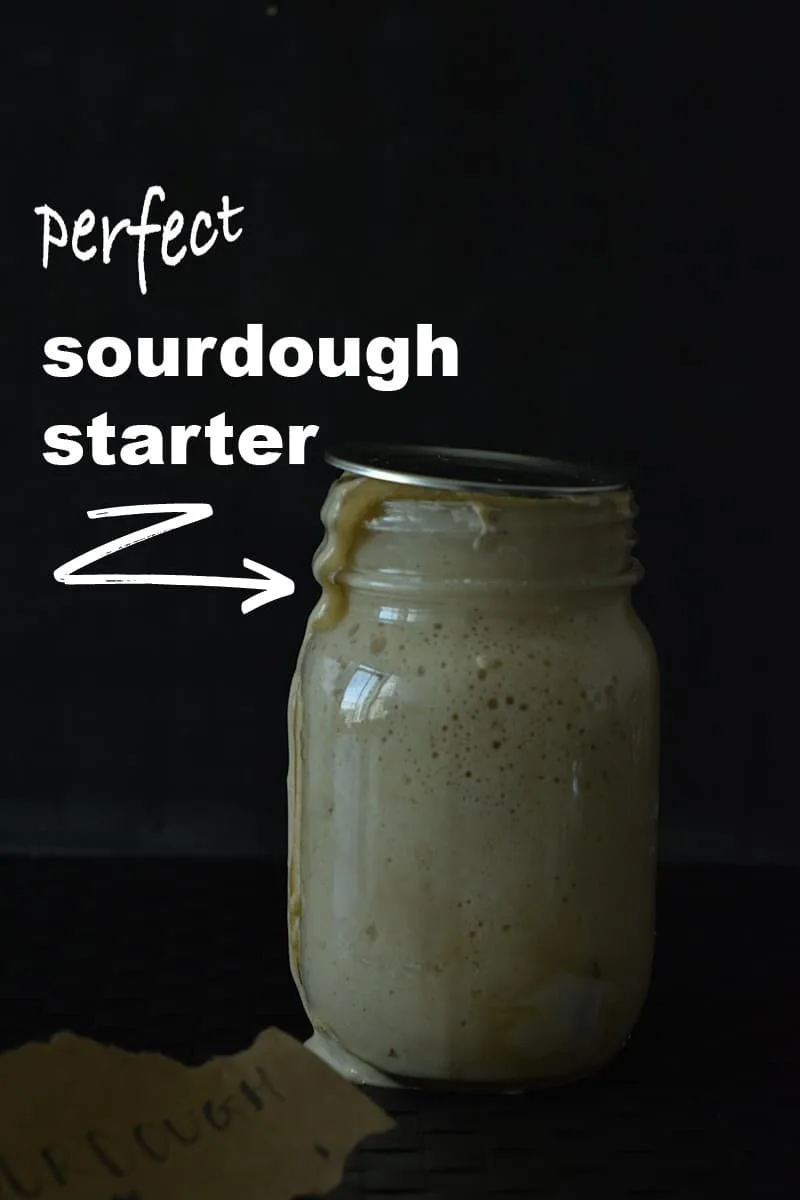
Making your very personal sourdough starter may be very simple. It requires quite simple components, no particular instruments, and slightly little bit of time. Sourdough starter is constructed from flour and water. Sure, you learn it proper. It requires two components solely.

Sourdough is principally a technique of fermenting flour blended with water utilizing pure wild yeast (that’s within the air round us).

Sourdough Preparation is definitely an historic technique. On the spot baking yeast is a really re-creation to baking and earlier than that, Sourdough was used to make bread. It’s famous that the primary point out of sourdough bread dates from 3700 BCE in Switzerland.
Sourdough has achieve a current attraction throughout this pandemic when yeast was out of inventory within the majority of shops.
Starter is a wild yeast created by fermenting flour and water. This, later can be utilized to bake bread as an alternative of prompt yeast to rise the dough and bake the breads.
Feeding your starter means including flour and water into the present starter to maintain it alive. Wild yeast wants feeding periodically so you will need to add contemporary flour and water
There isn’t a particular rule about how incessantly you will need to feed your starter. Nonetheless, At preliminary, you MUST feed your starter each 12 or 24 hours to maintain it alive. Once you see little bubbles in your starter, It signifies that yeast has developed and now it’s the time so as to add feeding in your starter to maintain it alive.
Once you discover the starter has a major quantity of bubbles, has bitter however nice perfume and has risen, Your starter is able to use. After that, you possibly can retailer this starter in a fridge and might feed each 3 to 4 days.
Starter discard is nothing however a weak a part of a starter that’s eliminated on the preliminary stage. These are the immature particles that may make your bread dense and don’t rise. The extra content material of immature starter, the extra dense your bread will likely be. Ideally, you must discard your starter for the primary 3 days(that is what I did).
Nonetheless, this doesn’t imply you can’t use the discarded starter. You should use sourdough discard in lots of recipes. One factor you need to at all times remember, to strengthen your starter, you will need to feed it with flour and water.
As soon as your starter is prepared, You’ll be able to retailer it in a fridge. Nonetheless, It’s once more essential to feed your starter after 3 days as soon as it’s refrigerated in any other case your starter will die and you need to begin the method once more.
Generally, It occurs. When you discover that bubbles are lowering, you in all probability over feed it. Which means that, You added an excessive amount of flour and water into the starter in order that your starter diluted. If this occurs, don’t worry. Maintain your starter as it’s, don’t add something for a day or two. Discard some components and feed it. You will notice the enhancements.
Sourdough starter requires time to get matured. When you do not discover the bubbles on the very subsequent day and even in 2 days, simply proceed the method and imagine within the course of. It would develop quickly.
Climate performs an essential position in creating your sourdough starter. If you’re dwelling in a colder space then it could generally takes time. If you’re dwelling in a hotter nation equivalent to India, It takes much less time for starter to develop wild yeast.
As I’ve stated earlier, It occurs generally relying on the climate. In case your starter smells bizarre by now or in the event you discover molds, then simply throw your starter in a rubbish bin and begin once more. If the whole lot is sweet, simply belief the method.
A superb, wholesome starter ought to odor soury, vinegary however nice. If it smells bizarre, disagreeable throw it away.
Rye flour, bread flour, unbleached all function flour and entire wheat flour works nice. I’ve made this starter initially with all-purpose flour and feed it with entire wheat flour.
Flour – unbleached allpurpose flour or rye flour or entire wheat flour can be utilized to make bitter dough starter.
Water – to supply sufficient hydration within the starter.
DAY- 1 Take half cup of flour and water. Measure your components as that is the essential step.
Switch it in a jar and blend it effectively. Ensure that there are not any lumps. cowl with a free lid and preserve it in a heat place at room temperature.
DAY- 2 are you able to see the bubbles? Verify if is there any bubbles on the highest or on the aspect. Bubbles are the signal of fermentation. Fermentation is precisely what we’d like right here. When you discover the bubbles, this can be a good signal.

Discard the half of the starter and add entire wheat flour and water. Combine it up and preserve it in a heat place.
When you discover any brown liquid on the floor, don’t be concerned. This means that your starter wants feeding.
DAY 3 and SO ON – preserve discarding and feeding the starter for subsequent 5 to six days.
Because the yeast begins to develop, your starter will rise, and bubbles will kind on the floor and all through the tradition. You’ll discover a major distinction from the 4th day onwards.
When the starter falls, it is time to feed it once more.
You’ll discover these indicators when your starter is prepared.

A prepared starter needs to be bubbly, energetic, and doubled (or tripled) in measurement inside 4-6 hours after feeding. It would even have a barely tangy, nice smell-not sharp or rotten.
Usually, it takes 5-7 days, however in some instances it will probably take as much as 2 weeks, relying on temperature and surroundings. Hotter kitchens often pace up the method.
Your starter might not bubble because of:
-Chilly temperature
-Inconsistent feeding
-Chlorinated water
-Weak flour
Strive protecting it heat (round 24-26°C) and feed usually with good-quality flour.
A wholesome starter appears to be like:
-Stuffed with bubbles
-Barely risen after feeding
-Smooth and ethereal in texture
It ought to resemble a thick batter and odor mildly bitter.
–Every day if stored at room temperature
–As soon as per week if saved within the fridge
Common feeding retains the yeast energetic and powerful.
Sure. Refrigeration slows fermentation. That is excellent in the event you bake occasionally-just feed it earlier than and after storing.
A wholesome starter smells tangy or barely bitter.
If it smells:
-Rotten
-Chemical-like
-Putrid
It is best to discard and begin contemporary.

Making your very personal sourdough starter may be very simple. It requires quite simple components, no particular instruments, and slightly little bit of time. Sourdough starter is constructed from flour and water. Sure, you learn it proper. It requires two components solely.
Serving Measurement 2 cups approx
Forestall your display screen from going darkish
DAY- 1 Take half cup of flour and water. Measure your components as that is the essential step.
Switch it in a jar and blend it effectively. Ensure that there are not any lumps. cowl with a free lid and preserve it in a heat place at room temperature.
DAY- 2 are you able to see the bubbles? Verify if is there any bubbles on the highest or on the aspect. Bubbles are the signal of fermentation. Fermentation is precisely what we’d like right here. When you discover the bubbles, this can be a good signal.
Discard the half of the starter and add entire wheat flour and water. Combine it up and preserve it in a heat place.
When you discover any brown liquid on the floor, don’t be concerned. This means that your starter wants feeding.
DAY 3 and SO ON – preserve discarding and feeding the starter for subsequent 5 to six days.
Because the yeast begins to develop, your starter will rise, and bubbles will kind on the floor and all through the tradition. You’ll discover a major distinction from the 4th day onwards.
When the starter falls, it is time to feed it once more.
Subscribe to get the latest posts sent to your email.

Leave a Reply