

12 Oct 2025

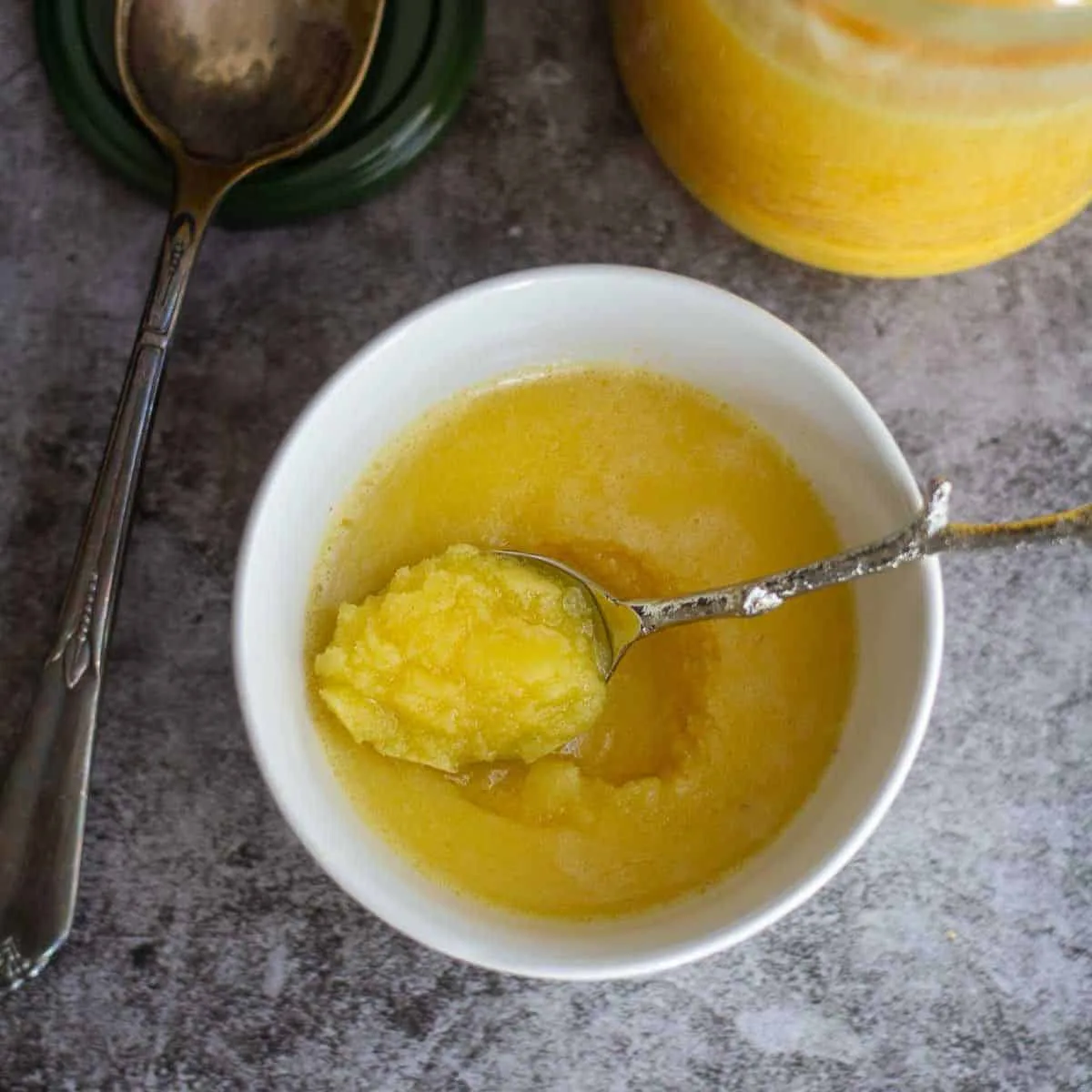
Discover ways to make selfmade ghee, often known as caramelized clarified butter, utilizing store-bought butter. The method is extremely easy, and selfmade ghee is all the time higher, cheaper, and more cost effective than store-bought.

I’m sharing a back-to-basics recipe after a very long time. You will have seen that I usually use ghee for tempering rasam and dal, for payasams, and in lots of Indian sweets. Just a few sweets and savories are even deep-fried in ghee due to its excessive smoke level.
Ghee is a quintessential ingredient in Indian cooking and is extensively utilized in Ayurvedic drugs. In our family, when meals is served, the curries are positioned on the plate first, adopted by rice, then plain cooked toor dal, and eventually a dollop of ghee is added, adopted by sambar. Simply plain rice with toor dal and ghee is heavenly, and it’s usually the primary strong meals given to toddlers. Ghee not solely provides taste but in addition mellows spiciness, which is why we combine a teaspoon or two into the rice when serving.
Some households nonetheless observe the standard means of day by day cream assortment from milk, making butter, after which utilizing it to arrange ghee. I bear in mind my mother doing this for a short interval. These days, most of us in India merely purchase butter from the shop and make ghee from it.
The method of constructing ghee could be very easy. You can also make a big batch and refrigerate it. All you want is good-quality butter. Some individuals like so as to add curry leaves or moringa leaves on the finish for further taste. I normally add curry leaves, however I skipped them this time as a result of I plan to make use of this ghee to make sweets for Deepavali. I extremely advocate utilizing unsalted butter for making ghee.
Melting – When butter is heated, it first melts right into a liquid and turns into very foamy.
Water evaporating – As the warmth continues, the water within the butter evaporates. You would possibly hear occasional bursts—that’s simply the water evaporating. Because the water evaporates, white foam types on the floor. Some individuals skim it off and discard it, however I normally combine it again into the ghee.
Milk solids separation – The froth will reappear, however this time it’s clear. This means the milk proteins are separating from the butterfat. The milk solids sink to the underside of the pan.
Caramelization – With additional heating, the milk solids flip mild brown, and the froth on high turns into frothy and rises. That is the proper stage to show off the warmth to get that best ghee.
Let the combination cool, then pressure it to acquire ghee—often known as liquid gold.

It is a tip I realized from my mother and grandma. As soon as the water has evaporated and the milk solids have settled on the backside, the froth will reappear—clearer this time. When this foam turns into absolutely frothy and begins to rise, we flip off the warmth, take away the vessel from the range, and let the ghee relaxation within the residual warmth. The milk solids cool down, and the ghee turns a deep golden colour.
All ghee is clarified butter, however not all clarified butter is ghee.
If the milk solids are heated too lengthy and burn (flip black), the ghee can develop a bitter style — so it’s all about watching carefully on the finish.
We by no means discard the milk solids. I normally mix them with wheat flour when making roti or chapati. Alternatively, after straining the ghee, I return the milk solids to the identical vessel and use it to make ven pongal (savory pongal) or arisi upma.
An alternative choice is to combine the milk solids with wheat flour or well being combine, toast them, after which add powdered sugar to make laddus—popularly often known as nei kasadu urundai. The browned milk solids are referred to as nei kasadu in Tamil.

The time relies on the butter’s temperature. It normally takes between 15 and 25 minutes. I sometimes let my butter thaw for an hour earlier than beginning, and as we speak it took me roughly 16 minutes.
(VVK tip: The butter normally melts within the first 2–3 minutes, the water evaporates by minute 8–10, and caramelization occurs towards the tip. Watch out to not overheat at this stage, as burnt milk solids can provide the ghee a bitter style.)

PS – When you attempt making selfmade ghee utilizing this process, please don’t overlook to remark and fee this recipe. When you have any questions, please depart a remark, and I’ll get to it asap. Make sure that to observe me on my Pinterest for extra wholesome and scrumptious concepts! Comply with me on Instagram or be part of my Fb Group for extra gardening and recipe updates.

Pin Recipe
Print Recipe
Ghee is a key ingredient in Indian delicacies. Comply with our information to make ghee at dwelling and improve your meals as we speak.
Servings: 48
Energy: 85kcal
Add the butter to a heavy-bottomed pan and let it soften over medium-low warmth.
Slowly, the butter will soften and change into foamy. Gently stir to make sure nothing sticks to the underside.
Because the water evaporates, you’ll hear a effervescent sound—that is regular. The froth will disappear after which reappear because the milk solids settle on the backside.
When the second foam spreads evenly and begins to rise, flip off the warmth. When you’re utilizing moringa or curry leaves, add them now.
Let the ghee sit for an hour, then pressure and retailer it in an hermetic container. (You too can pressure whereas it’s heat, as soon as the froth subsides.)
Use the milk solids in any of the dishes talked about above.
Energy: 85kcal | Carbohydrates: 0.01g | Protein: 0.1g | Fats: 10g | Saturated Fats: 6g | Polyunsaturated Fats: 0.4g | Monounsaturated Fats: 2g | Trans Fats: 0.4g | Ldl cholesterol: 25mg | Sodium: 76mg | Potassium: 3mg | Sugar: 0.01g | Vitamin A: 295IU | Calcium: 3mg | Iron: 0.002mg
I’m not a nutritionist. The dietary data is supplied as a courtesy and is an estimate solely. It varies relying upon the product sorts or manufacturers.
Subscribe to get the latest posts sent to your email.

Leave a Reply