
14 Apr 2026

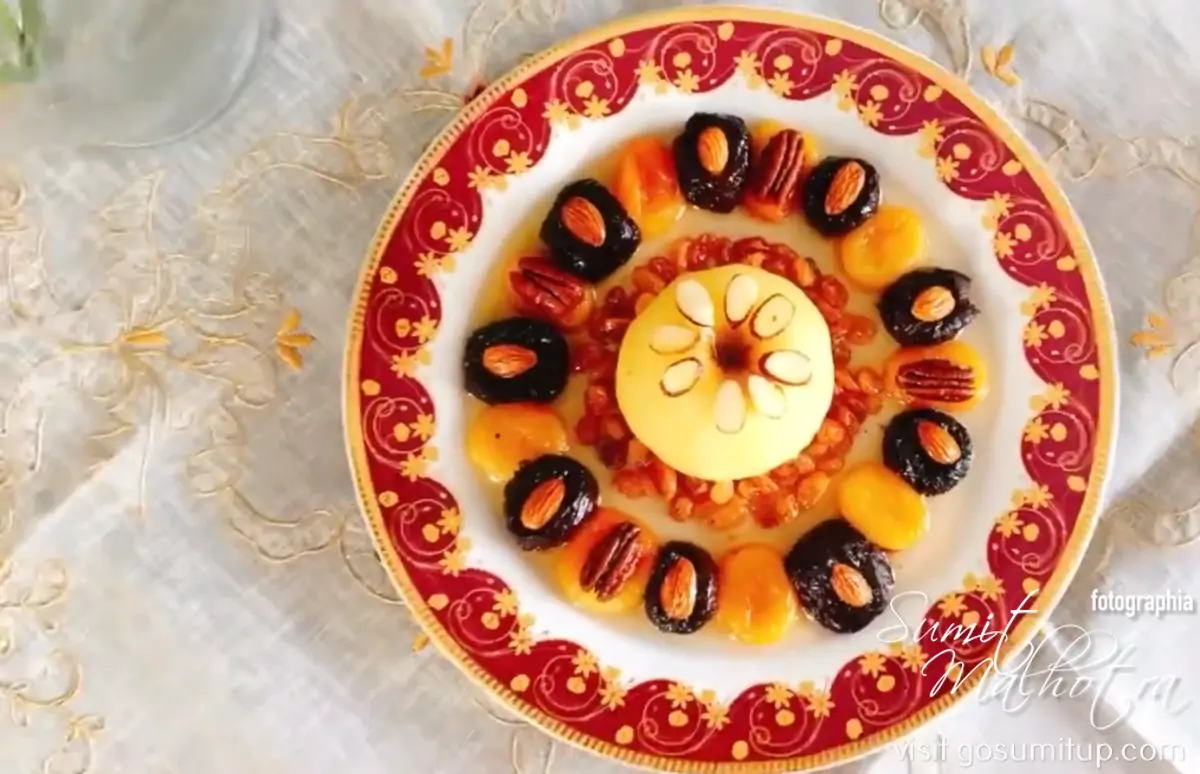
Tajine Lham Lahlou stands out as a sensory paradox as a result of it intentionally breaks the “guidelines” of recent savoury cooking, making a rigidity between what the attention sees and what the palate experiences.
Listed here are the 4 pillars that create this culinary paradox:
1. The Visible vs. Gustatory Battle
Once you have a look at Lham Lahlou, your mind identifies it as a savoury primary course. You see hearty chunks of braised lamb, a wealthy sauce, and toasted nuts.
In most world cuisines, this visible setup alerts salt, garlic, and onions.
The Paradox: Upon the primary chew, the palate is hit not with salt, however with an intense, honeyed sweetness.
It appears like consuming a dessert that has the “physique” of a Sunday roast. This “bait-and-switch” for the senses is the hallmark of the dish.
2. The Texture: The “Velvet” and the “Fibre”
The dish performs with contrasting mouthfeel in a manner that’s uncommon in Western cooking:
The Lamb: It’s braised till “fork-tender,” that means it has a fibrous, melting texture.
The Syrup: The sauce is decreased till it reaches a syrupy, velvety consistency that coats the tongue.
The Crunch: The addition of blanched, fried almonds offers a sudden, sharp snap towards the softness of the meat and the jam-like high quality of the prunes.
3. The Aroma: Floral Meats
Normally, meat dishes odor of roasted fats, browned onions, or earthy spices like cumin. Lham Lahlou is an fragrant outlier.
The Scent: It’s dominated by Orange Blossom Water (Mazhar) and Cinnamon.
The Paradox: These are scents we normally affiliate with bakeries or perfumeries. To odor a floral, “spring backyard” aroma coming off a plate of lamb creates a sensory cognitive dissonance that’s each complicated and alluring to the uninitiated.
4. The “Garm and Sard” (Scorching and Chilly) Temperature Paradox
Whereas the dish is served bodily sizzling, it’s spiritually and medicinally thought-about cooling (Sard) in Algerian meals philosophy.
The Paradox: Consuming a sizzling, heavy meat dish in the course of the peak of North African warmth ought to, in principle, make you’re feeling torpid.
Nevertheless, the rehydrated prunes and the honey base are meant to supply a “cooling” sensation to the inner organs after an extended day of fasting (Ramadan), balancing the “warmth” of the lamb.
Subscribe to get the latest posts sent to your email.

Leave a Reply