Who’re the Naga Sanyasis?
- “Naga” (actually “bare”) refers to ascetics who typically dwell unclothed, smear ashes on their our bodies, and follow excessive austerities.
- They’re often known as warrior monks — initially organized to guard the Hindu religion, temples, pilgrims, and holy websites throughout occasions of Islamic invasions and colonial disruption.
The Dasnami Naga Sanyasis are a gaggle of Hindu ascetic warriors belonging to the Dashanami Sampradaya, a monastic custom established by the good thinker Adi Shankaracharya within the eighth century CE. Right here’s a breakdown to know who they’re:
Who’re the Dashanami Sanyasis?
“Dashanami” (दशनामी) means “ten names”. Adi Shankaracharya divided his monastic disciples into ten orders, every with a suffix like:
- Giri (mountain)
- Puri (city)
- Bharati (studying)
- Tirtha (pilgrimage)
- Ashram (hermitage)
- Sagara (ocean)
- Vana (forest)
- Aranya (wilderness)
- Parvata (hill)
- Saraswati (knowledge)
These sanyasis comply with Advaita Vedanta, which teaches non-duality — the unity of the self (Atman) with the last word actuality (Brahman).
What Makes Dasnami Naga Sanyasis Distinctive?
They belong to the Dashanami order however are additionally militant ascetics, skilled in martial arts and weapons like swords, spears, and tridents.
Traditionally, they fashioned akhadas (armed monastic regiments), which nonetheless exist at this time and are distinguished throughout occasions just like the Kumbh Mela.
Well-known akhadas embody:
- Juna Akhara
- Niranjani Akhara
- Mahanirvani Akhara
These akhadas are sometimes hierarchical and comply with historical traditions of initiation and non secular self-discipline.
Seven of the 13 Akharas are Shaiv Akharas, and initiation (‘deeksha’) as a Naga Sadhu is given in six.
Naga Sadhus are made in Niranjani, Anand, Mahanirvani, Atal, Juna and Awahan Akharas. Nevertheless, in Agni Akhara, there are Brahmacharis, and Nagas are usually not made there.
Non secular and Cultural Significance
Although militant in origin, at this time, many Naga Sanyasis focus extra on non secular follow, renunciation, yoga, and the guru-disciple transmission of Advaita Vedanta.
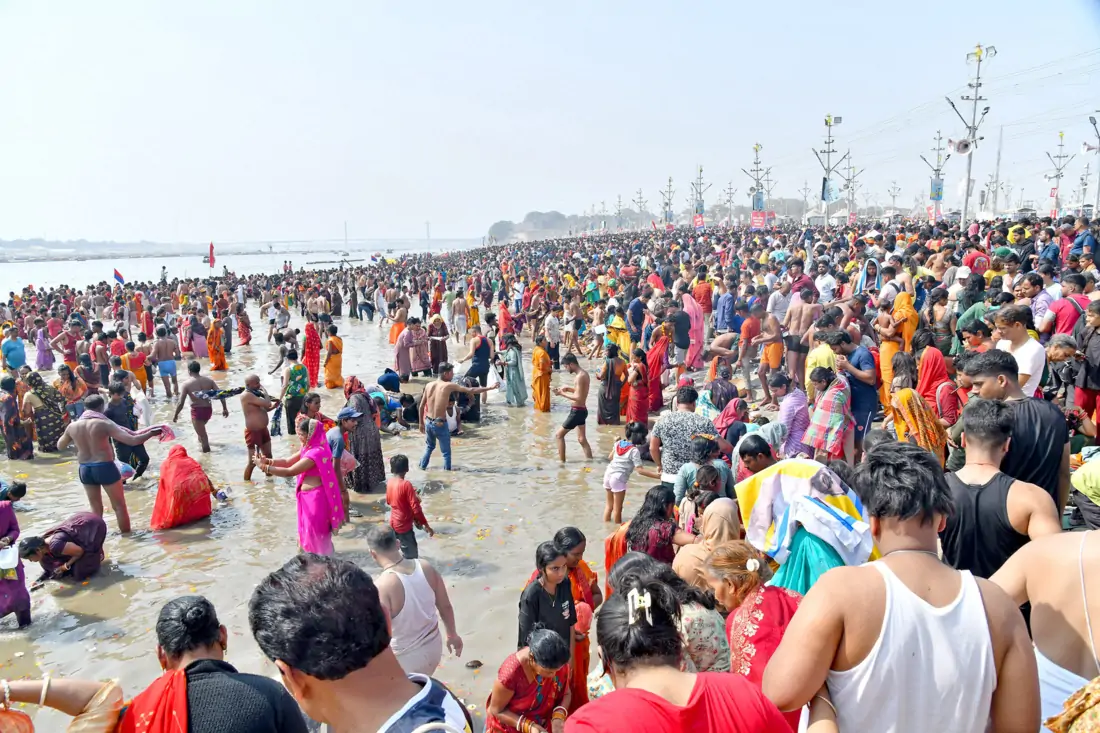
At Kumbh Melas, they’re typically the primary to wash within the sacred rivers, symbolizing non secular management and purification.
About Naga Sanyasis & Naga Maths
The Naga Maths (monasteries of the Naga Sanyasis) have been strategically established throughout India, particularly in locations that held spiritual, cultural, or navy significance.
These maths served as facilities of non secular studying, coaching grounds for warrior monks, and protection posts for shielding dharma.
Key Areas The place Naga Maths Had been Established
1. North India
- Haridwar (Uttarakhand): One of many oldest facilities for Naga Sadhus. A number of main akhadas have their headquarters right here. Acts as a central non secular and strategic level on the Ganges.
- Varanasi (Uttar Pradesh): Non secular and philosophical hub. Maths right here centered extra on Advaita teachings together with martial coaching.
- Prayagraj (Allahabad): A significant pilgrimage heart and web site of the Kumbh Mela. Many Naga maths and akhadas are primarily based right here.
2. Central and Western India
- Ujjain (Madhya Pradesh): Headquarters of the Juna Akhara, probably the most distinguished Naga orders. Ujjain is likely one of the 4 Kumbh Mela websites traditionally essential to Naga Sadhus.
- Nashik (Maharashtra): One other Kumbh Mela location. Naga maths right here had each non secular and defensive roles.
3. Japanese India
- Puri (Odisha): Related to the Govardhan Math, one of many 4 fundamental peethas based by Adi Shankaracharya. Naga monks right here helped defend the Jagannath Temple throughout turbulent occasions.
4. Western India
- Dwarka (Gujarat): Seat of the Sharada Peeth based by Adi Shankaracharya. Maths close by have been concerned in preserving Vedantic information and guarding the temple.
Why Had been They Set Up in These Places?
- To guard pilgrimage routes and main temples from plunder and non secular persecution.
- To coach renunciates in martial disciplines in areas susceptible to invasions.
- To keep up monastic self-discipline and Vedantic educating as per Shankaracharya’s imaginative and prescient.
- To function base camps for akhadas throughout spiritual occasions just like the Kumbh Mela.
As we speak
Many of those math nonetheless exist and performance as facilities for non secular training, initiation, and group service.
The akhadas they belong to are lively in organizing occasions and non secular discourses and main rituals throughout main festivals.



Leave a Reply