
01 Dec 2025

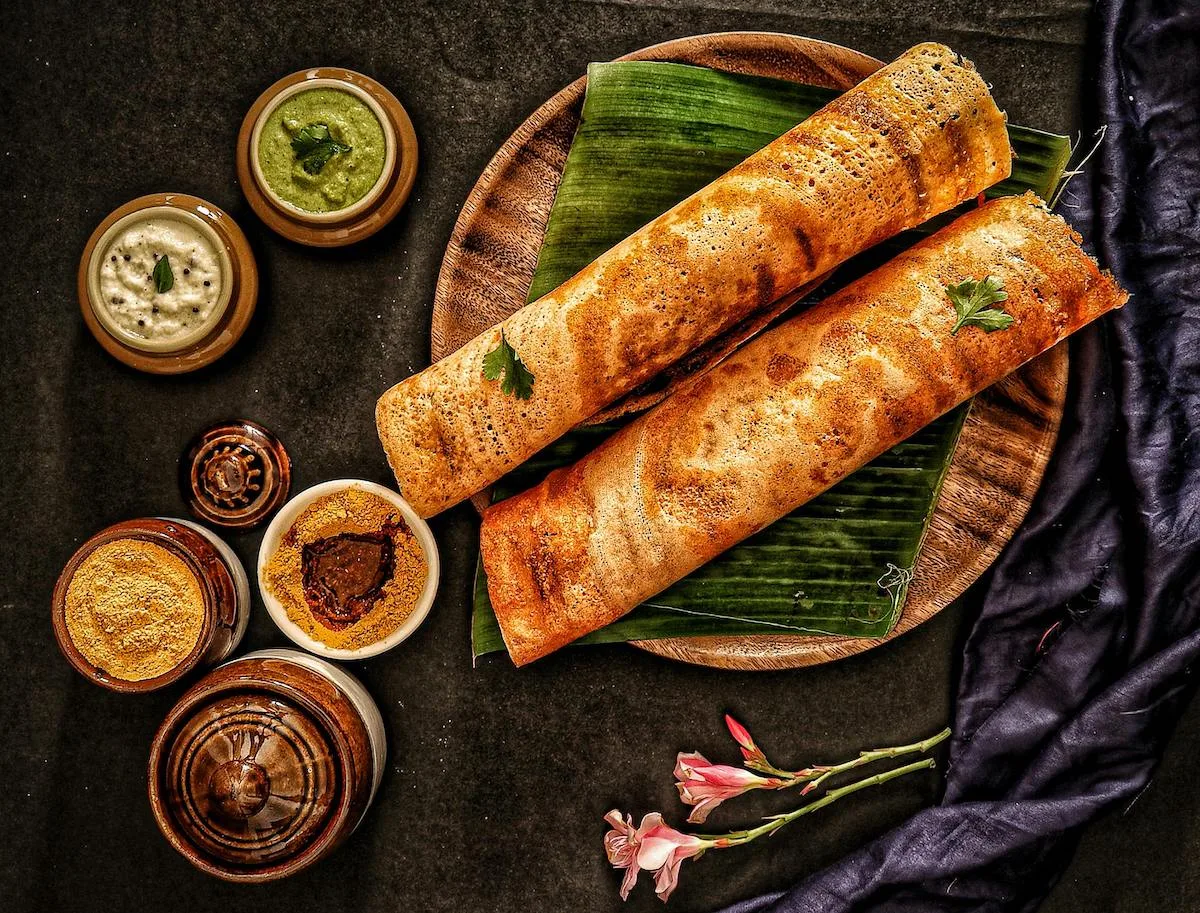
As a result of the method is so delicate, each family has its personal tried-and-tested technique, handed down from great-grandmothers and grandmothers who refined their approach via sheer apply.
Nonetheless, for years, our elders of the Indian kitchens have trusted intuition — a sprinkle, a sizzle, and that second you realize the tawa is “good”.
Now, an IIT Madras professor has revealed that this age-old instinct is definitely pure physics at play.
What most individuals don’t realise is that these elders have been making use of a elementary precept of physics all alongside—with out ever naming it.
You’ve in all probability seen a avenue vendor, or your mom or grandmother, sprinkle a couple of drops of water onto the tawa earlier than pouring the batter. This tiny ritual is definitely a temperature check.
Professor Mahesh Panchagnula, IIT Madras, explains that once you splash water on a very sizzling tawa, the droplets don’t evaporate slowly.
The key sits within the phenomenon known as the Leidenfrost impact, the very purpose your dosa batter may unfold fantastically throughout the pan… or find yourself sticking, tearing, and breaking your spirit.
They splashed water glides, dances, and races throughout the floor. When droplets float on a skinny vapour cushion, the batter that follows doesn’t stick.
It spreads like silk, cooks evenly, and crisps fantastically on the edges. This little second is the Leidenfrost Impact, a phenomenon scientists recognized centuries in the past, however our grandmothers mastered this with out ever naming it.
Subscribe to get the latest posts sent to your email.

Leave a Reply