
02 May 2025

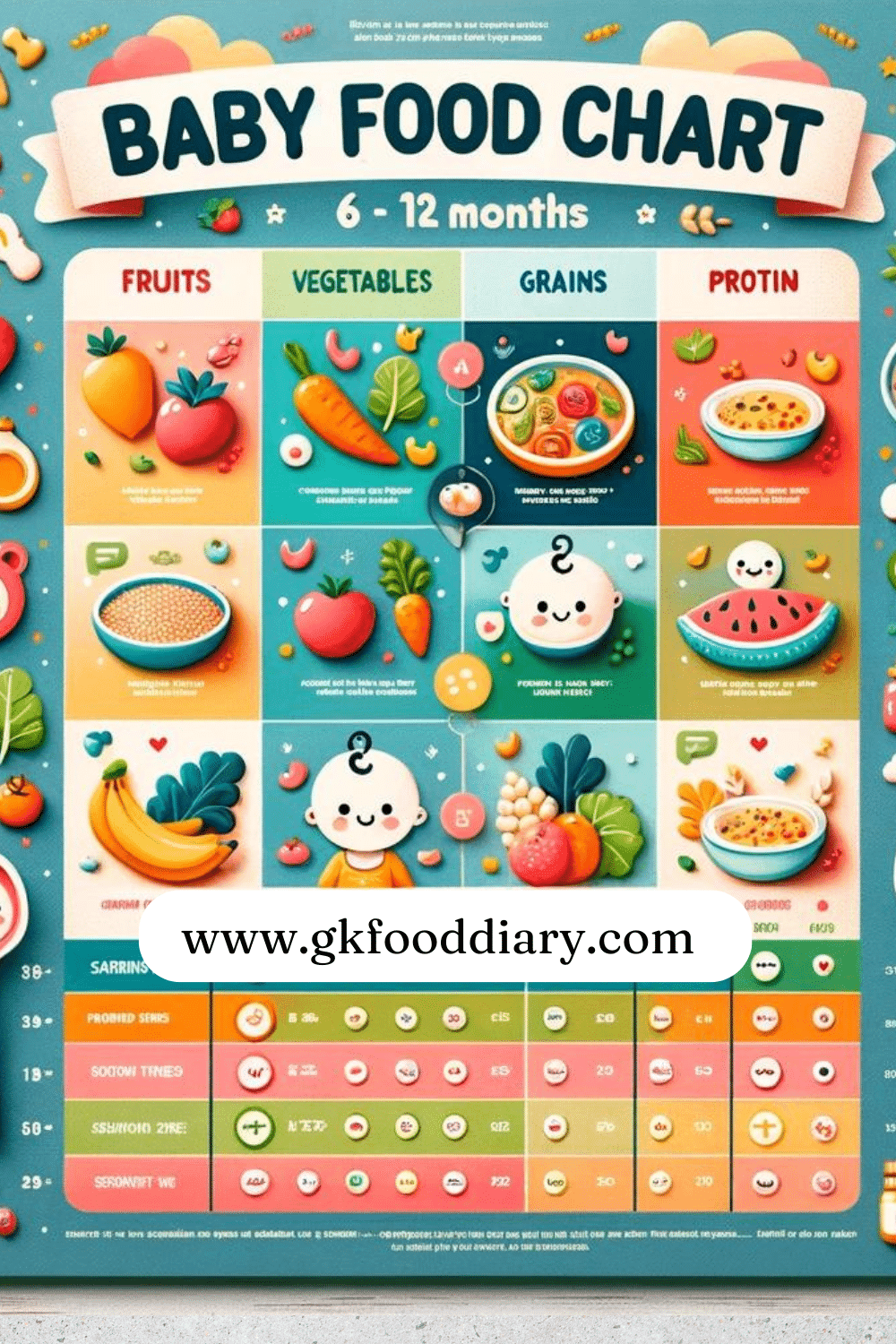
Introducing strong meals to your child is a vital milestone stuffed with anticipation and questions. As your infant transitions from unique breastfeeding or formulation feeding to exploring quite a lot of flavours and textures, it is essential to have a roadmap for this new journey. Right now’s weblog submit guides you thru the “6 to 12 Months Child Meals Chart,” designed to simplify this vital section with easy-to-follow pointers and nutritious meal concepts.

The interval between 6 to 12 months is vital in your child’s improvement, marking the introduction of strong meals alongside breast milk or formulation. It is important to start out with simply digestible meals which are low in allergens and delicate in your child’s growing digestive system. Start with single-ingredient purees and regularly introduce extra advanced combos and textures.
As your child grows, so do its dietary necessities. Iron, zinc, vitamin D, and wholesome fat turn into more and more important to help their fast improvement. Incorporating quite a lot of fruits, greens, grains, and protein sources ensures a balanced weight loss program that nurtures their progress.
At this stage, your child is probably going simply beginning to experiment with solids. To ease the transition, give attention to easy purees and really gentle meals.

6 month outdated child meals chart

7 months Child meals recipes

8 months Child meals recipes
As your child turns into extra comfy consuming, you possibly can introduce a broader vary of textures and flavours.
Current pointers recommend early introduction of allergenic meals like peanuts, eggs, and fish in small, managed quantities may also help scale back the chance of growing meals allergy symptoms. Seek the advice of together with your paediatrician for customized recommendation and methods.
To simplify meal planning, we have compiled a pattern meals chart with age-appropriate meal concepts in your 6 to 12-month-old. Bear in mind, all infants are totally different, and it is important to look at for readiness cues and allergy symptoms as you introduce new meals.
6 to 9 Months:
9 to 12 Months:
The journey from 6 to 12 months is an thrilling time of exploration and progress in your child. By offering quite a lot of nutritious meals, you are catering to their developmental wants and setting the stage for wholesome consuming habits. Bear in mind, the aim is to make mealtime satisfying and stress-free for you and your child. With this child meals chart as your information, you are effectively in your option to nurturing a cheerful, wholesome eater.
When ought to I begin introducing strong meals to my child?
Most infants are prepared to start out attempting strong meals round 6 months of age. Search for indicators of readiness, resembling with the ability to sit up with little or no help, exhibiting curiosity in meals, and the flexibility to swallow meals relatively than pushing it again out onto the chin.
What meals ought to I introduce first?
Start with single-ingredient purees or very gentle meals. Good choices embody iron-fortified single-grain cereals like rice or oatmeal, pureed greens (resembling candy potato, carrot, and squash), fruits (like apple, pear, and banana), and pureed meats (resembling rooster).
How do I do know if my child is allergic to a brand new meals?
Introduce one new meals at a time and wait 3-5 days earlier than attempting one other to observe potential reactions. Indicators of an allergic response can embody hives, a rash across the mouth or elsewhere, vomiting, diarrhea, or excessive fussiness. If you happen to discover any of those signs, cease the brand new meals and seek the advice of your pediatrician.
How usually ought to I feed my child strong meals?
At 6 months, one or two tablespoons of strong meals as soon as a day is adequate. Progressively improve the frequency and amount as your child grows, aiming for 3 meals a day by 12 months, along with breast milk or formulation.
Can I supply finger meals to my child?
Sure, by round 8 to 10 months, most infants can deal with small items of soppy finger meals. Supply cooked greens, gentle fruits, small items of cheese, or soft-cooked pasta. Make sure the items are sufficiently small to keep away from choking hazards.
Ought to I be involved about choking?
All the time supervise your child whereas consuming and supply acceptable meals sizes and textures to attenuate dangers. Keep away from laborious, spherical meals like entire grapes, nuts, and popcorn. Be taught the indicators of choking and reply appropriately.
Can my child drink cow’s milk or plant-based milk?
Infants below 12 months ought to primarily have breast milk or formulation. Introduce cow’s milk or fortified plant-based milks after the primary birthday, and seek the advice of with a pediatrician for suggestions tailor-made to your child’s dietary wants.
How a lot water ought to my child drink?
Infants below 6 months do not sometimes want additional water. After 6 months, you possibly can introduce small quantities of water, particularly in sizzling climate or in case your child appears thirsty. Nevertheless, water mustn’t exchange breast milk or formulation feeds.
What if my child refuses to eat sure meals?
It is common for infants to be cautious of latest meals. Supply rejected meals a number of occasions, as it could take a number of makes an attempt for a child to simply accept a brand new style or texture. Do not drive your child to eat; maintain mealtimes constructive and stress-free.
How can I guarantee my child is getting sufficient vitamins?
Supply quite a lot of meals throughout all meals teams to make sure a balanced consumption of vitamins. Embrace iron-rich meals, resembling meat purees and iron-fortified cereals, and guarantee sufficient fats consumption for mind improvement. Seek the advice of together with your pediatrician you probably have considerations about your child’s progress or nutrient consumption.
Subscribe to get the latest posts sent to your email.

Leave a Reply